
Research & Development
From clinical insight to validated technology.
A disciplined development pathway that transforms meaningful clinical problems into rigorously validated spine technologies — through the close collaboration of surgeons, engineers, and scientists.
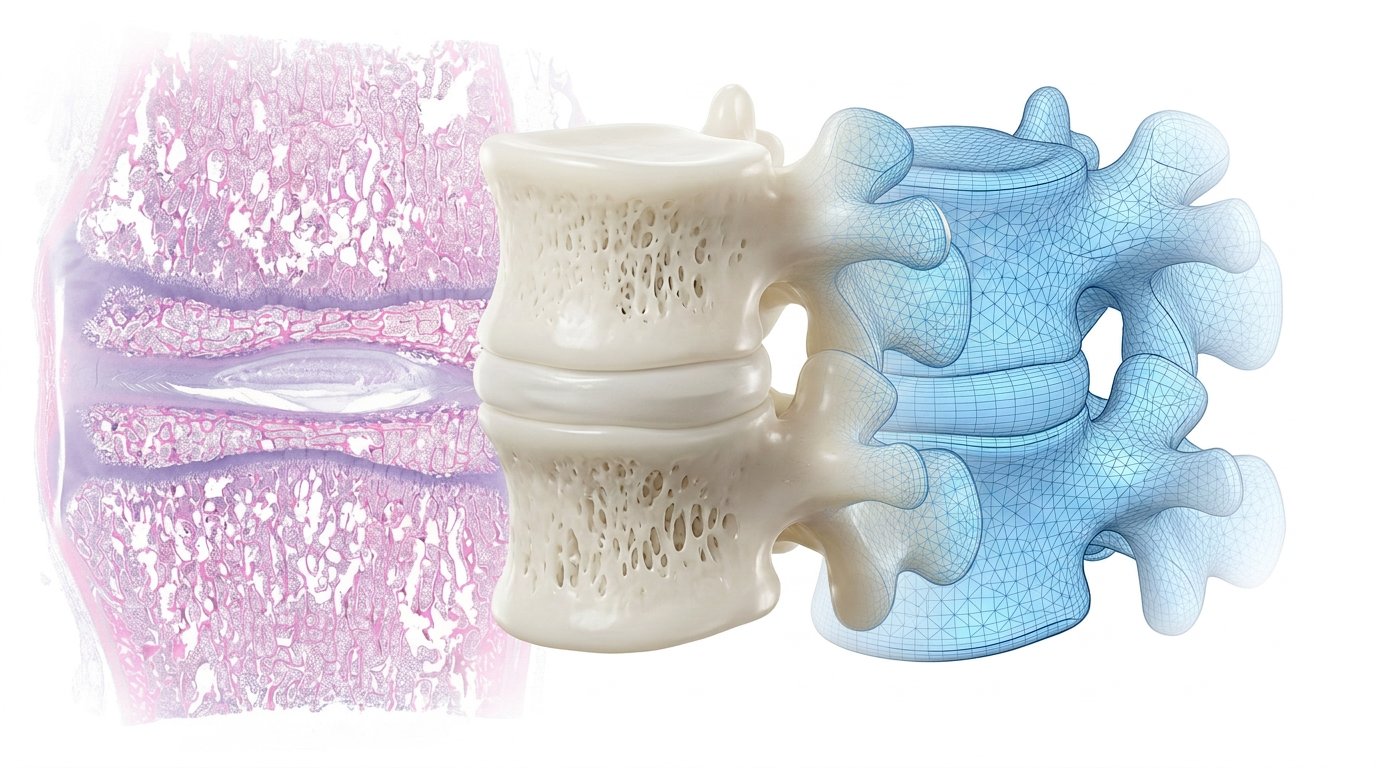
Our Development Philosophy
Ideas transformed into technologies that improve patient care.
Every Apex technology begins with a meaningful clinical problem. Through close collaboration between surgeons, engineers, and scientists, ideas are transformed into rigorously validated medical technologies designed to improve patient care. Our multidisciplinary development process combines clinical insight, biomedical engineering, biomechanical testing, preclinical validation, and regulatory strategy to accelerate the translation of innovation from concept to clinical practice.
Development Pathway
From clinical need to commercialization.
Every Apex technology follows the same disciplined, evidence-based pathway before reaching patients.
Core Research Capabilities
An integrated engineering and research capability.
Biomechanics
Quantitative assessment of spinal motion, load transfer, and construct behavior.
Mechanical Testing
Static, dynamic, and fatigue testing across implants and full constructs.
Finite Element Analysis
Patient-specific computational modeling of implants and physiologic loading.
Cadaver Research
Anatomic feasibility, surgical workflow, and construct evaluation in human specimens.
Large Animal Models
Preclinical evaluation of in-vivo performance, biologic response, and fusion behavior.
Clinical Research
Prospective, retrospective, and multicenter studies supporting clinical translation.
Regulatory Science
FDA pathway strategy, Breakthrough Designation, and global market authorization.
Medical Device Engineering
CAD design, prototyping, manufacturing, and quality systems for spine technologies.
Facilities & Resources
The environment behind every Apex technology.
A fully integrated development environment spanning engineering, benchtop testing, cadaveric evaluation, and preclinical research.
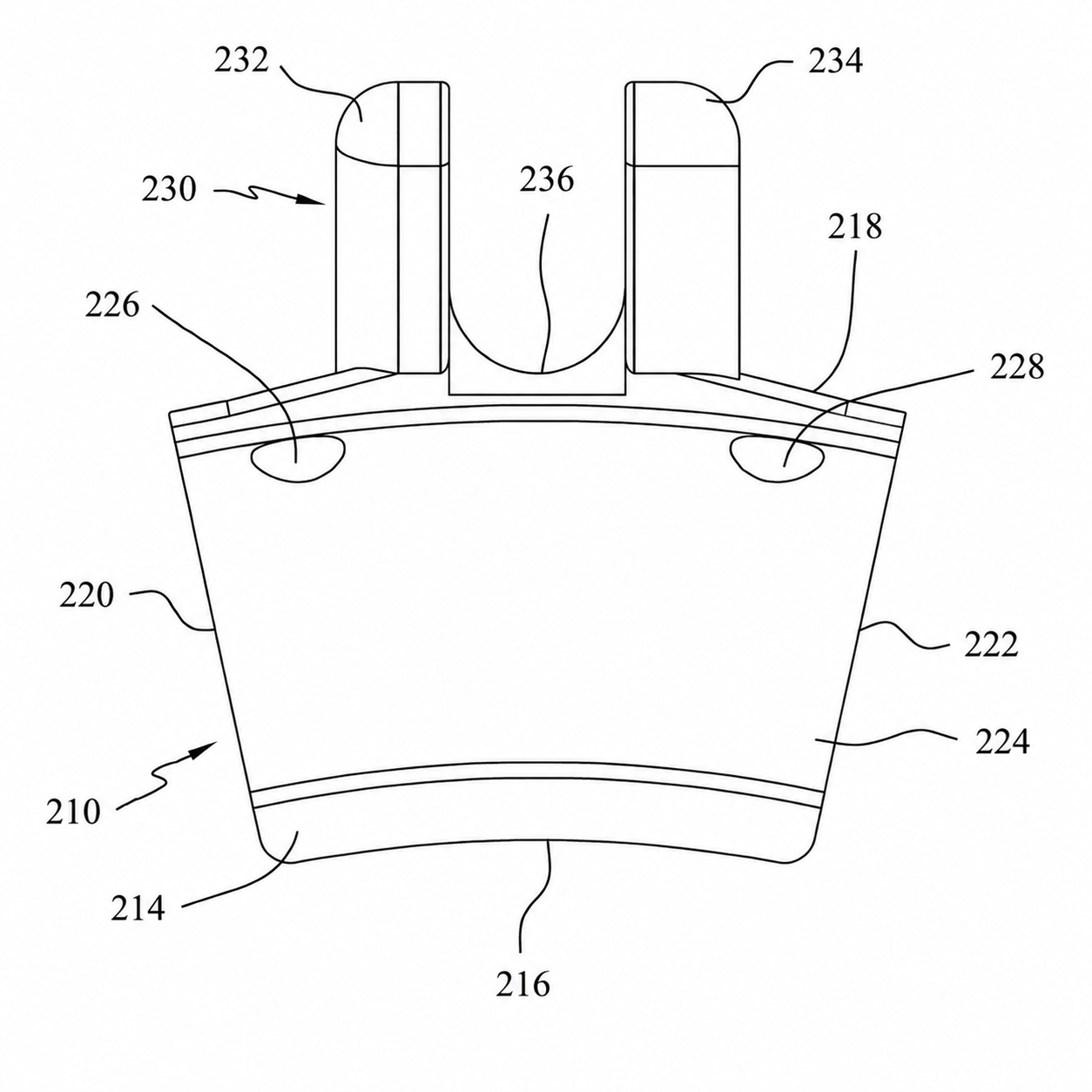
Engineering Laboratory

Mechanical Testing Laboratory
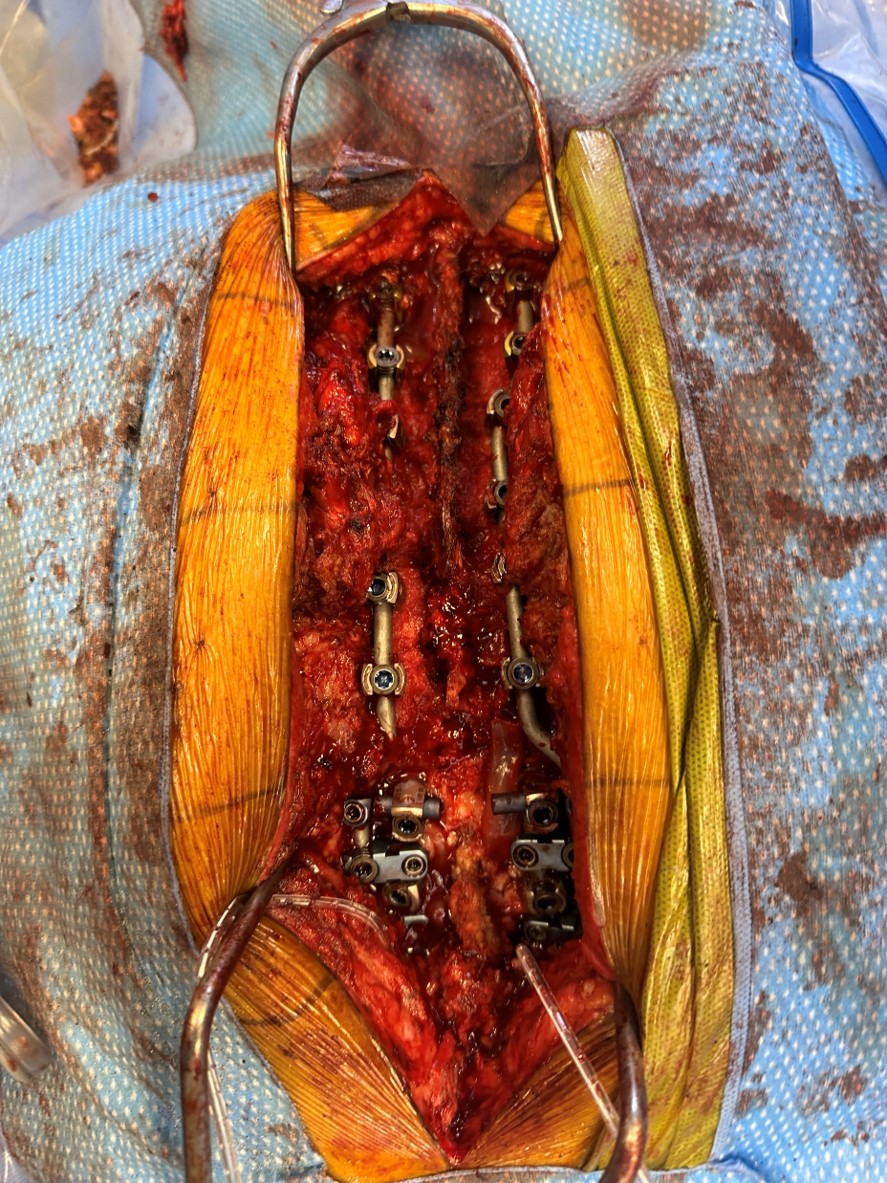
Cadaver Laboratory
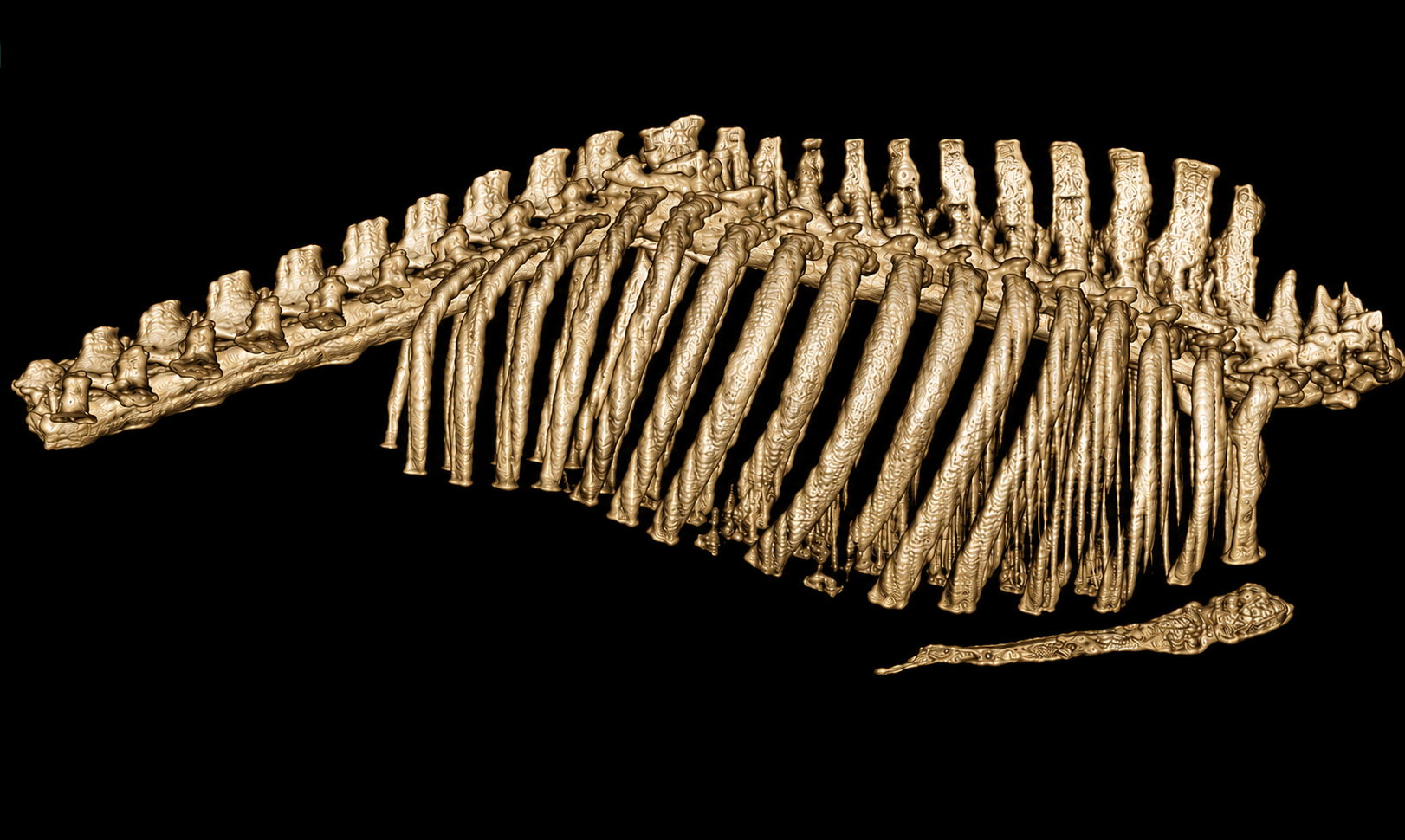
Animal Research Facilities

Product Development

Scientific Collaboration
Strategic Collaborations
Built alongside leading institutions.
Medical University of South Carolina
Clemson University
Atrium Health / Wake Forest
Yale University
University of Colorado
National Institutes of Health
South Carolina Research Authority
Research Partnerships
Innovation advances through collaboration.
Apex collaborates with surgeons, engineers, scientists, universities, and strategic partners to accelerate the development of clinically meaningful technologies. We welcome opportunities to advance innovation through collaborative research and product development.
Explore Additional Apex Technologies